Culinary cozy mysteries blend two beloved elements: the intrigue of amateur sleuthing and the warmth of home cooking. These stories unfold in kitchens, cafés, and bakeries where recipes become as integral to the plot as clues and red herrings. The genre has grown increasingly popular among readers who appreciate mysteries that feel inviting rather than dark, where food serves as both comfort and catalyst.
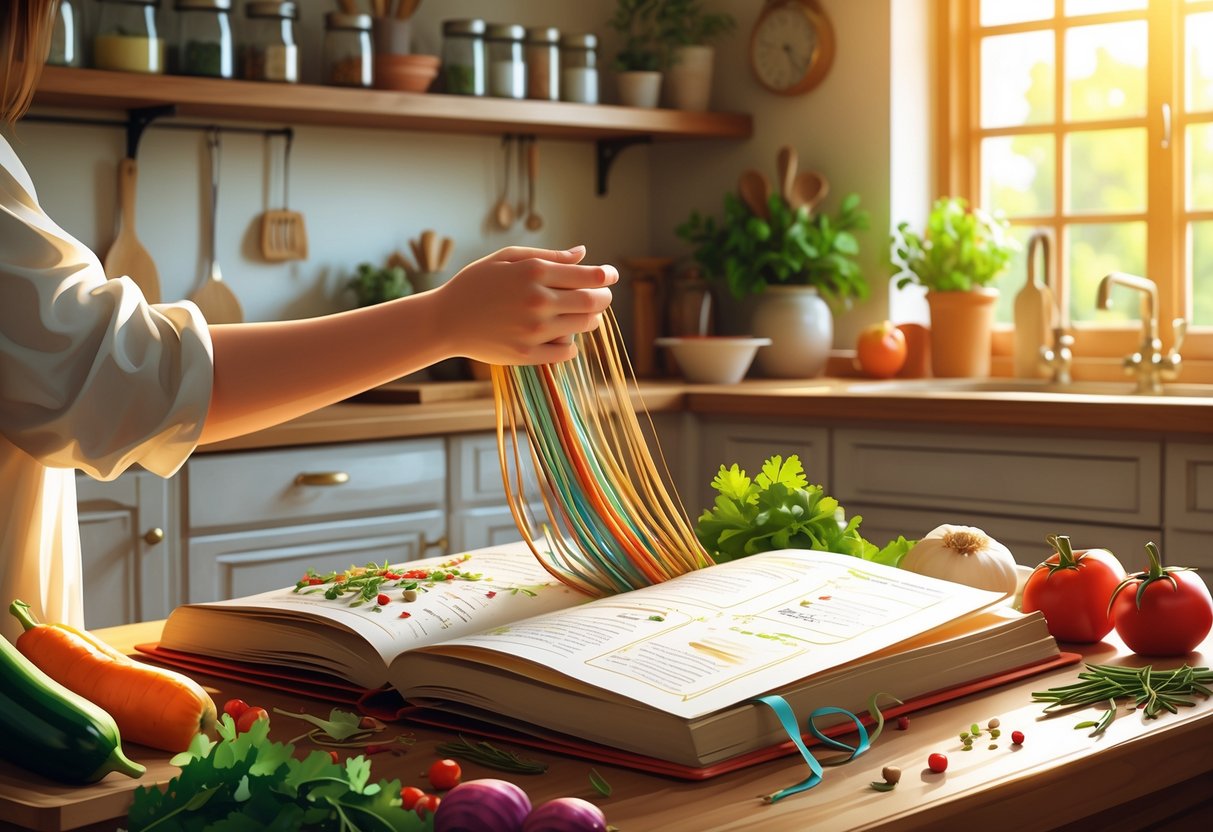
Successfully weaving recipes into a culinary cozy requires treating food as a character in its own right, not merely as decoration or an afterthought. The recipes must advance the plot, reveal character traits, or deepen the reader’s connection to the setting. When done well, the culinary elements enhance the mystery rather than interrupt it.
Writers face specific challenges when incorporating recipes into narrative fiction. The balance between storytelling and instruction requires careful attention, as does the integration of sensory details that make readers taste the food without slowing the pace. Understanding how food can create tension, build relationships, and establish atmosphere transforms recipes from simple additions into essential storytelling tools.
Grab 50 Story Starter Prompts — fresh ideas for fiction, memoir, and creative nonfiction.
Defining Culinary Cozies and Their Unique Appeal
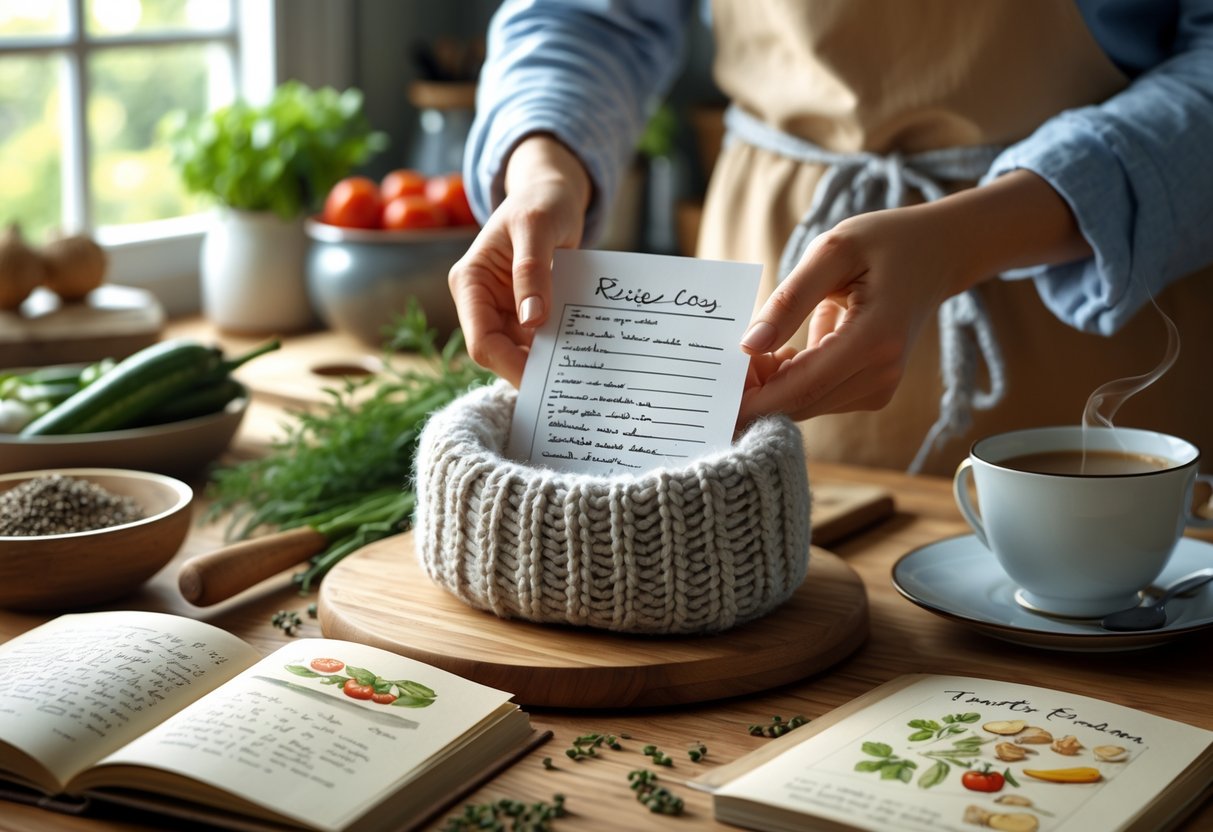
Culinary cozies occupy a distinctive space within mystery fiction by combining amateur sleuths with food-centered settings and narratives. These stories transform kitchens, bakeries, and restaurants into stages where murder and meals intersect.
What Sets Culinary Cozies Apart from Other Mysteries
Culinary cozies feature amateur detectives who work in food-related professions—bakers, chefs, caterers, or café owners. The protagonist’s culinary expertise becomes central to both the setting and plot development.
These mysteries typically unfold in small towns or tight-knit communities where everyone knows each other. The local bakery or restaurant serves as a natural gathering place where information flows alongside coffee and pastries. This creates organic opportunities for the sleuth to overhear conversations and question suspects.
Many culinary cozies include actual recipes woven into the narrative or compiled at the end of chapters. Readers can prepare the same cookies, casseroles, or cocktails mentioned in the story. Some series have even spawned dedicated cookbooks that collect these recipes into standalone volumes.
The violence remains off-page, keeping the tone light despite the murder plot. Deaths occur between chapters, and graphic details stay minimal.
The Role of Comfort and Atmosphere
The sensory details of cooking and baking create an inviting atmosphere that distinguishes these books from standard mysteries. Descriptions of cinnamon-scented kitchens, fresh bread, and brewing coffee establish a warm backdrop even as dark deeds unfold.
Food serves as a comfort mechanism within the narrative structure. Characters bond over shared meals, process grief through cooking, and use baked goods to build trust with reluctant witnesses. A detective might offer homemade brownies to loosen tongues or bring casseroles to grieving families while gathering clues.
The fictional settings feel familiar and accessible. Readers recognize the cozy café, the family-owned restaurant, or the small-town bakery as places they might visit themselves. This familiarity makes the stories feel safe despite their criminal elements.
Blending Food with Suspense
Culinary elements can function as plot devices rather than mere decoration. A poisoned dish becomes evidence. A secret recipe holds the key to motive. Kitchen equipment transforms into potential murder weapons, from cast-iron skillets to sharp knives.
The preparation and sharing of food creates natural pacing for investigations. Cooking scenes provide breaks between tense moments while still advancing the story. A character might realize a crucial connection while kneading dough or notice an important detail during dinner service.
Food also reveals character personalities and relationships. What someone orders, how they cook, or their dietary preferences can signal trustworthiness or hide secrets. The amateur sleuth’s culinary skills often help them notice details professional detectives might miss—a missing ingredient, an unusual cooking method, or timing inconsistencies in meal preparation.
The Art of Integrating Recipes into Storytelling
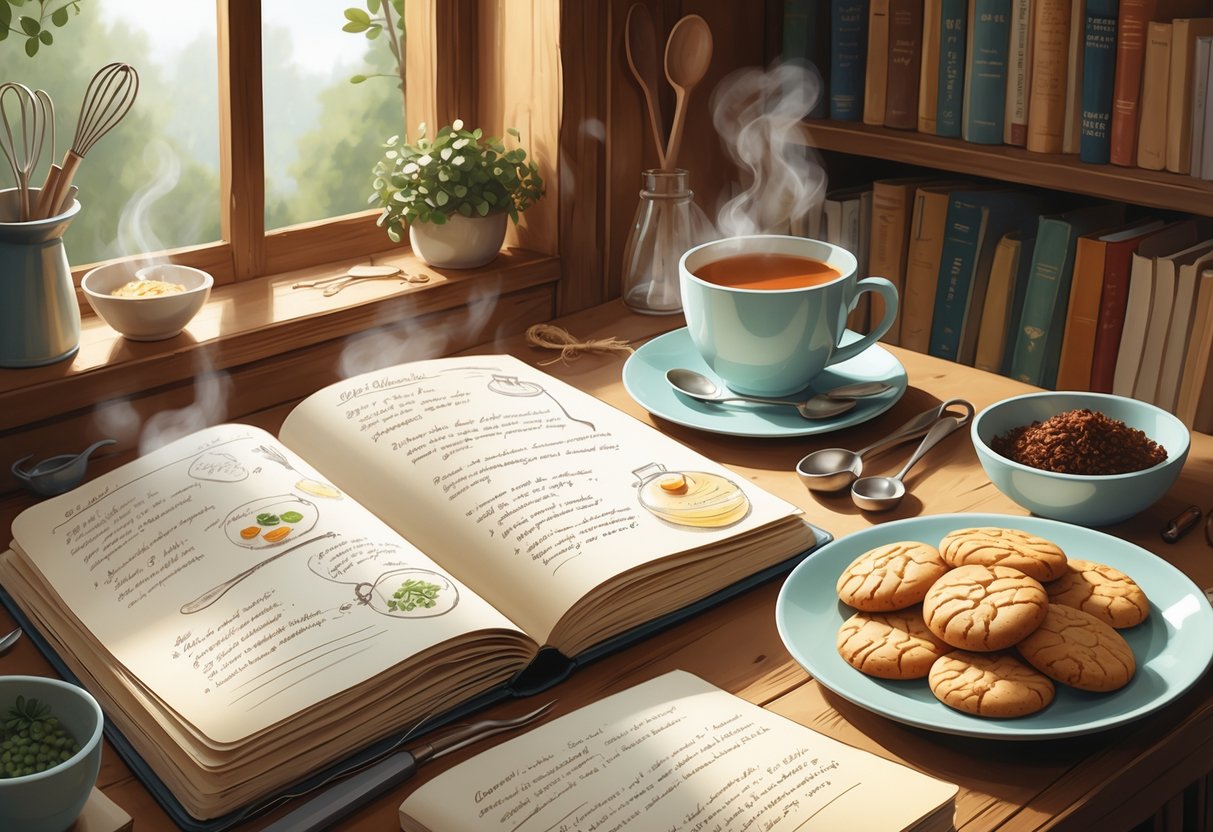
Recipes become powerful storytelling tools when authors treat them as active elements that shape character development, advance plot points, and create emotional resonance. The key lies in making food preparation feel organic to the narrative rather than interrupting the story’s flow.
Using Recipes as Narrative Anchors
Recipes serve as structural touchstones that ground readers in specific moments while revealing character depth. A protagonist kneading bread during a difficult conversation creates physical action that mirrors emotional tension. The methodical steps of recipe preparation provide rhythm and pacing to scenes that might otherwise feel static.
Writers can anchor backstory to specific dishes without resorting to flashbacks. When a character prepares their grandmother’s soup recipe, the ingredients themselves trigger memories and connections. The smell of cardamom might evoke childhood, while the texture of dough under hands can represent comfort or anxiety.
Recipes also establish setting and atmosphere. A café owner preparing pain au chocolat at dawn signals dedication and routine. The specific ingredients and techniques chosen reflect geographic location, economic status, and cultural background. These details build authenticity without requiring lengthy exposition.
Enhancing Plot with Dish Preparation
The act of cooking creates natural opportunities for clues, conflict, and character interaction. A missing ingredient might force a character to visit a suspect’s shop. A ruined dish can escalate tension or serve as a turning point. The kitchen becomes a stage where multiple plot threads converge.
Recipe failures and successes mirror the protagonist’s journey. A detective struggling with a temperamental soufflé while wrestling with a case creates parallel tension. When the dish finally succeeds, it can signal breakthrough moments in the investigation.
Collaborative cooking scenes foster dialogue and relationship development. Characters who chop vegetables together have reasons to talk, argue, and bond. The shared task lowers defenses and creates intimacy. Recipe preparation also reveals competence, creativity, and problem-solving abilities that transfer to mystery-solving skills.
Timing Recipe Reveals
Strategic placement of recipe details maintains narrative momentum. Brief mentions during action scenes keep the pace moving, while extended preparation sequences work best during natural pauses. Writers should weave recipe steps through dialogue and thought rather than listing them in isolation.
Full recipes at chapter ends satisfy curious readers without disrupting story flow. This approach lets food-focused details enhance the narrative experience for those who want them while keeping the main text accessible. In-text references can be simple: “She followed her usual scone method” works when the complete recipe appears later.
The emotional weight of a scene determines recipe detail level. A comfort food prepared during grief deserves sensory description and careful attention to each step. A quick breakfast before a confrontation needs only a sentence or two. Recipe integration should feel purposeful rather than obligatory.
Building Memorable Characters Through Food
A character’s relationship with food reveals core personality traits, cultural background, and emotional depth. Food choices serve as shortcuts to character development while naturally integrating recipes into the narrative fabric.
Crafting Culinary-Inspired Character Backstories
Food memories anchor characters to specific times and places. A protagonist who associates chicken soup with childhood illness creates instant relatability and emotional resonance. Writers can layer backstories through family recipes passed down through generations, incorporating the actual recipe text within flashback scenes or character reflections.
Cultural heritage emerges organically through culinary traditions. A character who insists on making pierogies from scratch every Sunday carries forward their grandmother’s legacy. These cooking rituals provide natural opportunities to share recipes while building character depth.
Professional food experiences shape character identities. Former restaurant workers exhibit specific behaviors like photographing plates before eating or critiquing presentation techniques. These authentic details, drawn from real kitchen environments, ground characters in believable expertise.
Food Preferences as Character Traits
Dietary choices signal values and personality without exposition. A character who only eats organic vegetables communicates different priorities than one who survives on convenience store snacks. These preferences influence plot decisions and relationship dynamics.
Character-defining food behaviors include:
- Meal preparation habits (meticulous versus chaotic)
- Texture preferences and food aversions
- Willingness to try unfamiliar cuisines
- Eating speed and table manners
Emotional states manifest through food interactions. Stress-bakers reveal anxiety through flour-dusted kitchens, while characters who lose appetite during turmoil show vulnerability. Recipe success or failure mirrors character growth arcs, with burnt dishes representing early struggles and perfected creations marking development milestones.
Developing Conflict with Culinary Twists
Food-related secrets and competitive cooking scenarios create natural tension points in cozy mysteries. These culinary conflicts drive plot development while maintaining the genre’s characteristic warmth.
Recipe Secrets as Sources of Tension
Hidden recipes function as powerful conflict catalysts in culinary cozies. A grandmother’s closely guarded pie recipe, a restaurant’s secret sauce formula, or a baker’s unique ingredient combination can spark disputes between characters. These culinary secrets often represent more than just food—they embody family legacy, business survival, or personal identity.
Writers can escalate tension by making recipe knowledge central to character relationships. One sibling might feel entitled to inherit a family recipe while another claims it was promised to them. A chef could discover that their signature dish was stolen from a former colleague. The protagonist might need to decode a cryptic recipe to solve the mystery, with each ingredient serving as a clue.
Recipe theft provides particularly strong motivation for conflict. When a character’s livelihood depends on their unique culinary creation, the stakes become immediate and relatable. Authors can layer this tension by connecting the recipe secret to the central crime—perhaps the murder victim was about to reveal the formula, or the killer wanted exclusive access to a profitable recipe.
Culinary Competitions in Cozy Plots
Baking contests, cook-offs, and food festivals create contained environments where multiple suspects gather with clear motives. The competitive atmosphere naturally generates friction between participants while providing legitimate reasons for characters to interact. A judge’s harsh critique, a stolen ingredient, or sabotaged equipment can each serve as mini-conflicts that escalate toward the main mystery.
Competition settings allow writers to establish clear stakes and deadlines. The protagonist might need to solve the murder before the final round judging, or discover that the victim was poisoned through a competition entry. These events also provide opportunities for recipe integration—characters can discuss their techniques, share family cooking stories, or discover crucial evidence while preparing their dishes.
The pressure of competition reveals character traits and relationships efficiently. Rivalries between contestants can mask deeper connections to the crime, while collaborative moments during cooking challenges can build trust between the sleuth and potential allies.
Weaving Sensory Details into the Narrative
Sensory descriptions transform recipes from mere instructions into vivid experiences that engage readers beyond the page. Food writing succeeds when it appeals to all five senses, creating moments readers can taste, smell, and feel in their imagination.
Describing Flavors and Aromas for Immersion
Effective flavor descriptions go beyond basic taste categories. Writers should specify how cardamom adds a piney sweetness to morning rolls or how roasted garlic mellows into buttery notes that coat the tongue. These precise details create visceral reactions in readers.
Strong sensory writing includes:
- Texture variations – the crack of caramelized sugar, the yielding softness of risen dough
- Temperature sensations – steam rising from a pot, cold butter melting on warm bread
- Sound elements – the sizzle of onions hitting hot oil, the pop of bubbles in boiling water
- Visual cues – golden-brown edges, deep red tomato sauce, glossy glazes
The key is specificity. Writers should avoid generic terms like “delicious” or “tasty” in favor of concrete descriptions. A chocolate cake doesn’t just taste good; it releases bitter cocoa notes that balance sweet cream filling, with a dense crumb that clings slightly to the fork.
Food as a Symbol in Storytelling
Food carries meaning beyond nutrition in culinary mysteries. A grandmother’s recipe might represent cultural preservation or family connection. A poisoned dish becomes a vehicle for betrayal. Writers use these symbolic layers to deepen their narratives.
Comfort foods often signal safety, community, or nostalgia in culinary storytelling. A character baking her mother’s apple pie during a crisis communicates emotional needs without exposition. The act of preparing and sharing food reveals relationships, power dynamics, and character motivations.
Common symbolic uses include:
- Elaborate meals representing control or perfectionism
- Simple dishes indicating authenticity or humility
- Shared cooking scenes building intimacy between characters
- Failed recipes reflecting internal turmoil
Writers should let these symbols emerge naturally from the narrative rather than forcing metaphorical interpretations. The food itself carries the emotional weight when described with attention to its preparation, presentation, and consumption within the story’s context.
Community and Setting: The Heart of Culinary Cozies
Culinary cozy mysteries thrive on the interplay between physical spaces where food brings people together and the recipes that reveal character relationships. The most effective stories root their communities in specific gathering places while using shared meals and cooking traditions to deepen connections between amateur sleuths, suspects, and allies.
Establishing Gathering Spaces Around Food
The setting in culinary cozy mysteries functions as more than backdrop. Bakeries, cafés, restaurants, and test kitchens create natural hubs where characters intersect and information flows organically. These venues justify repeated encounters between the protagonist and community members without forced plotting.
Writers should define the physical layout and atmosphere of their primary food space early. A cramped diner with a counter encourages eavesdropping and chance meetings. A farmers market stall creates opportunities for casual interrogation while the protagonist samples products. The specifics of where food preparation happens—open kitchens versus private ones—affect how much witnesses observe.
Small-town settings amplify the food venue’s centrality. When a protagonist runs the only pie shop in a village of 3,000 residents, every character has a plausible reason to appear there. This concentration strengthens the community feeling essential to cozy mysteries while providing natural cover for investigation.
Recipes as Connective Tissue for the Cast
Recipes reveal relationships and history between characters without exposition dumps. A grandmother’s cookie recipe passed to the protagonist signals family bonds. A regular customer’s standing order shows routine and trust. Character development emerges through food preferences, dietary restrictions, and cooking skill levels.
Shared cooking scenes build rapport between investigators and potential witnesses. When two characters prepare a dish together, the physical activity creates rhythm for dialogue and lowers defenses. The protagonist kneading bread while questioning a neighbor feels less confrontational than a direct interrogation.
Recipe exchanges function as currency in these communities. A character who shares a secret ingredient demonstrates trust. Someone who withholds their method signals conflict or competition. Writers can track relationship arcs through what recipes characters do and don’t share with each other throughout the mystery.