Cozy mysteries represent one of the most beloved and accessible branches of crime fiction, offering readers gentle puzzles wrapped in charming small-town settings. Unlike their grittier counterparts in the mystery genre, cozies focus on clever detection rather than graphic violence, featuring amateur sleuths who solve crimes through wit and community connections.
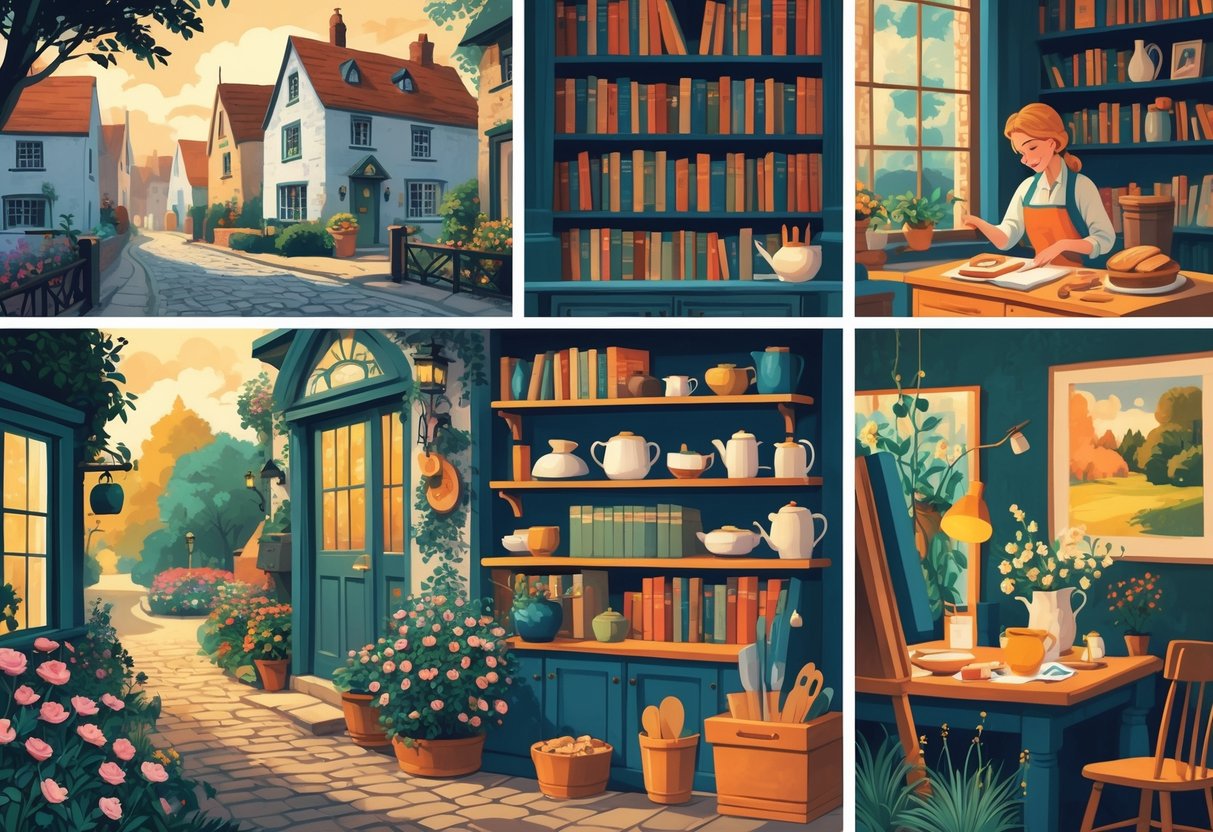
The cozy mystery subgenre encompasses dozens of specialized categories, from culinary mysteries centered around baking and cooking to paranormal cozies featuring witches and ghosts, each offering unique themes and settings that attract devoted readerships. These subgenres range from professional-based mysteries featuring librarians and teachers to location-specific stories set in seaside towns or historic inns.
Understanding these various cozy mystery subgenres helps readers discover their preferred style of crime fiction and allows writers to find their niche within this welcoming genre. Each subgenre brings its own set of conventions, character types, and plot possibilities while maintaining the core elements that make cozies so appealing to mystery fans seeking comfort reads with satisfying solutions.
Grab 50 Story Starter Prompts — fresh ideas for fiction, memoir, and creative nonfiction.
Defining Cozy Mysteries

Cozy mysteries represent a gentler approach to crime fiction, emphasizing puzzle-solving over violence while featuring amateur sleuths in intimate community settings. These stories trace their roots to classic authors like Agatha Christie and rely on specific elements that distinguish them from other mystery subgenres.
Common Elements and Tropes
Cozy mysteries follow distinct conventions that create their signature atmosphere. Violence and explicit content occur offstage, keeping the focus on intellectual puzzle-solving rather than graphic details.
The setting typically involves small, socially intimate communities where everyone knows each other. This creates natural tension and multiple suspects with interconnected relationships.
Key characteristics include:
- No explicit violence, profanity, or sexual content
- Amateur detective as the main character
- Small-town or close-knit community setting
- Series format with recurring characters
- Light, often humorous tone
Many cozies feature a sidekick character who provides comic relief or assists with investigations. The crimes themselves usually involve murder, but the focus remains on the mystery rather than the method.
The amateur sleuth often possesses specific knowledge or skills relevant to solving the case. This expertise might come from their profession, hobbies, or personal interests.
Influence of Agatha Christie and Classic Authors
Agatha Christie established many foundational elements that define modern cozy mysteries. Her character Miss Marple epitomizes the amateur sleuth archetype that cozy mystery authors continue to emulate.
Christie’s approach emphasized logical deduction and character observation over action sequences. Miss Marple solved crimes through understanding human nature and applying her knowledge of village life to larger mysteries.
The closed-circle mystery concept, where suspects are limited to a specific group, became a Christie trademark. This technique appears frequently in contemporary cozies, creating manageable suspect pools for both sleuths and readers.
Christie’s influence extends beyond character development to story structure. Her novels demonstrated how domestic settings could harbor complex mysteries without requiring exotic locations or dangerous chase scenes.
Modern cozy mystery authors draw from Christie’s template while adapting elements for contemporary audiences. The emphasis on community, character development, and fair-play mysteries remains consistent across decades.
Role of Amateur Sleuths
Amateur sleuths serve as the heart of cozy mysteries, distinguishing the subgenre from police procedurals or hard-boiled detective fiction. These characters lack formal law enforcement training but possess curiosity and observational skills.
The amateur status creates natural obstacles and limitations that professional detectives wouldn’t face. They must work around official investigations while gathering information through personal connections and community involvement.
Common amateur sleuth archetypes include:
- Retirees with time and wisdom
- Small business owners with community ties
- Professionals with specialized knowledge
- Newcomers observing with fresh perspectives
Their motivations often stem from personal connections to victims or suspects rather than professional duty. This emotional investment drives the narrative while maintaining reader engagement.
Amateur sleuths typically solve cases through logical reasoning and understanding human behavior. They notice details that others overlook and make connections based on their unique perspectives and experiences.
The amateur status also allows for mistakes and learning curves that add relatability to characters. Readers can identify with protagonists who aren’t superhuman or professionally trained investigators.
Key Subgenres of Cozy Mystery
Cozy mystery subgenres center around specific themes, occupations, or interests that shape both the sleuth’s expertise and the story’s setting. These specialized categories include culinary mysteries featuring baking detectives, bookish tales set in libraries, crafting mysteries with hobby-focused sleuths, and pet mysteries with animal companions.
Culinary Cozy Mysteries
Culinary cozy mysteries feature amateur sleuths who work in food-related professions or possess exceptional cooking skills. These protagonists often run bakeries, restaurants, cafeterias, or food trucks. The mystery typically unfolds in kitchens, dining establishments, or during food competitions.
Joanne Fluke established this subgenre’s popularity with her Hannah Swensen series, where a bakery owner solves crimes in small-town Minnesota. Each book includes cookie recipes that readers can prepare at home.
Food serves multiple purposes in these stories:
- Plot device: Poisoned dishes or tampered ingredients become murder weapons
- Character development: Cooking skills reveal personality traits and backgrounds
- Community building: Shared meals create opportunities for gossip and clue-gathering
- Reader engagement: Recipes connect the fictional world to real-life experiences
The sleuth’s culinary expertise provides unique investigation advantages. They understand food safety, recognize unusual ingredients, and maintain connections with suppliers and food service workers. Murder victims often include restaurant critics, competing chefs, or difficult customers.
Bookish Cozy Mysteries
Bookish cozy mysteries take place in libraries, bookstores, or literary settings where books and reading culture drive the plot. The amateur sleuth typically works as a librarian, bookstore owner, or book club organizer. Murder victims often connect to the literary world through writing, publishing, or book collecting.
These mystery series explore the relationships between readers, authors, and book communities. Libraries serve as information hubs where sleuths research clues and uncover local secrets. Bookstores become gathering places for suspects and witnesses.
Common elements include:
- Rare book thefts or forgeries
- Literary events hosting potential murderers
- Book club discussions revealing character motives
- Library archives containing historical evidence
The protagonist’s knowledge of literature, research skills, and community connections provide investigation advantages. They understand book values, recognize literary references in clues, and maintain relationships with authors, publishers, and fellow readers. These cozy mystery books often incorporate literary themes and references throughout the storyline.
Crafting and Hobby Cozy Mysteries
Crafting cozy mysteries center around specific hobbies like knitting, quilting, scrapbooking, or woodworking. The amateur sleuth participates in hobby groups, teaches classes, or owns craft supply stores. These communities provide close-knit settings where secrets emerge through shared activities.
Craft guilds, hobby clubs, and maker spaces serve as primary locations for both socializing and investigating. The sleuth’s specialized knowledge helps identify unusual materials, recognize skill levels, or spot inconsistencies in alibis related to crafting activities.
Mystery elements often include:
- Craft show competitions with jealous participants
- Valuable antique tools or rare materials as theft motives
- Crafting techniques used in murder methods
- Guild politics creating multiple suspects
The protagonist’s hobby expertise provides investigation tools. Knitting detectives understand yarn types and project timelines. Woodworkers recognize tool marks and construction methods. These skills help solve crimes while showcasing the crafting community’s knowledge and dedication.
Pet Cozy Mysteries
Pet cozy mysteries feature animal companions who assist in solving crimes or serve as the connection between sleuth and mystery. These cozy mystery subgenres include cats, dogs, birds, and other pets with seemingly supernatural investigative abilities.
Lilian Jackson Braun pioneered this category with “The Cat Who…” mystery series, featuring journalist Jim Qwilleran and his intelligent Siamese cats, Koko and Yum Yum. The talking cat concept, while not literally verbal, shows pets communicating through behavior and actions that guide their human partners toward clues.
Pet-focused mysteries occur in:
- Veterinary clinics and animal hospitals
- Pet stores and grooming salons
- Dog parks and training facilities
- Animal shelters and rescue organizations
The animal characters demonstrate uncanny abilities to sense danger, locate evidence, or identify suspicious individuals. Cats knock over objects revealing hidden items. Dogs lead owners to crime scenes. Birds repeat overheard conversations.
These mystery books appeal to animal lovers who appreciate the special bond between humans and pets while enjoying gentle crime-solving adventures.
Specialized Cozy Mystery Subgenres
Some cozy mystery subgenres blend traditional elements with specific themes that transport readers to different time periods, supernatural worlds, or romance-focused narratives. These specialized categories offer unique twists on the classic cozy formula while maintaining the genre’s signature gentle approach to crime fiction.
Historical Cozy Mysteries
Historical cozy mysteries transport readers to past eras while maintaining the cozy genre’s signature lack of graphic violence and profanity. These novels typically feature amateur sleuths navigating crimes in historically accurate settings.
Popular Time Periods:
- Medieval England
- Victorian era
- 1920s Jazz Age
- World War II era
Ellis Peters’ Brother Cadfael series exemplifies this subgenre perfectly. Set in 12th-century Shrewsbury, the series follows a Benedictine monk who solves murders using his knowledge of herbs and human nature.
Historical cozies require extensive research to maintain period authenticity. Authors must balance historical accuracy with modern storytelling techniques that appeal to contemporary readers.
The historical setting often provides natural constraints that enhance the mystery. Limited communication methods, transportation options, and forensic capabilities force sleuths to rely on observation and deduction rather than modern technology.
Paranormal Cozy Mysteries
Paranormal cozy mysteries incorporate supernatural elements while preserving the cozy genre’s wholesome atmosphere. These stories feature sleuths with magical abilities, ghostly helpers, or otherworldly connections that aid in solving crimes.
Common Paranormal Elements:
- Witches with healing or divination powers
- Talking animals who provide crucial clues
- Ghosts offering insights from beyond
- Psychic abilities like telepathy or precognition
The talking cat trope appears frequently in paranormal cozies. These feline companions often witness crimes or understand human behavior in ways that help their human partners solve mysteries.
Many paranormal cozies blend multiple subgenres. A witch who owns a bakery combines paranormal elements with culinary themes, creating layered storytelling opportunities.
The supernatural aspects typically enhance rather than overshadow the mystery plot. Magic serves as a tool for investigation, not a simple solution to complex crimes.
Romantic Cozy Mysteries
Romantic cozy mysteries weave love stories throughout the crime-solving narrative. The romance subplot can span multiple books in a series or focus intensively on relationship development within individual novels.
Two Main Approaches:
- Light romance as secondary plotline
- Romcozy format with equal mystery and romance focus
The romantic elements often connect directly to the mystery plot. Suspects, witnesses, or even victims may be linked to the protagonist’s romantic interests, creating personal stakes in solving the crime.
Character development receives enhanced attention in romantic cozies. Readers follow both the sleuth’s investigative growth and their emotional journey toward love.
These mysteries frequently feature slow-burn romances that develop across multiple books. This approach allows authors to build tension while maintaining reader engagement throughout a series.
The romance typically remains tasteful and non-explicit, aligning with cozy mystery conventions about appropriate content levels.
Professional and Occupational Cozies
Professional cozies center around specific careers and workplaces, giving amateur sleuths natural access to crime scenes and suspects within their professional environments. These mysteries often involve connections to law enforcement through consultations or relationships with police officers.
Workplace and Career-Based Mysteries
Medical professionals dominate this category with doctors, nurses, and EMTs solving crimes using their specialized knowledge. Their medical expertise helps identify poisons, determine causes of death, or spot inconsistencies in witness statements.
Academic settings provide rich backdrops for mystery subgenres. College professors and teachers become amateur sleuths investigating murders at universities or boarding schools. Their research skills and access to academic resources prove valuable for uncovering clues.
Culinary professionals represent another popular occupational theme. Bakers, chefs, and restaurant owners discover bodies and solve crimes while managing their businesses. Food competitions and restaurant rivalries create natural motives for murder.
Other workplace-based amateur sleuths include:
- Librarians and bookstore owners who use research skills
- Travel industry workers who solve crimes across multiple locations
- Innkeepers and hotel staff who investigate guest-related mysteries
- Crafting instructors who apply creative problem-solving to crime
These cozy mystery authors often draw from personal experience or extensive research to authentically portray professional environments and terminology.
Law Enforcement Connections
Amateur sleuths in professional cozies frequently maintain relationships with local law enforcement rather than working independently. Police officers, detectives, or sheriffs often appear as recurring characters who consult with or reluctantly accept help from civilian investigators.
Medical examiners and forensic specialists bridge the gap between amateur and professional detection. Though technically law enforcement adjacent, they function as amateur sleuths while providing scientific expertise that traditional police might lack.
Some cozy mystery authors feature retired law enforcement officers who continue solving crimes in civilian roles. Former detectives or police chiefs use their investigative training while operating outside official channels.
Security professionals and private investigators occupy middle ground between amateur and professional status. They possess some training and authority but lack full police powers, making them suitable protagonists for cozy mysteries.
The relationship between amateur sleuths and law enforcement varies by series. Some feature cooperative partnerships, while others showcase tension between civilian interference and official investigations.
Travel, Location, and Thematic Cozies
Location-based cozy mystery books transport readers to specific settings where the environment becomes integral to both the mystery and the amateur sleuth’s investigation. Holiday mysteries capitalize on seasonal themes and festive atmospheres, while travel-focused mystery series allow sleuths to solve crimes across multiple destinations.
Holiday and Seasonal Mysteries
Holiday cozy mysteries center around specific times of year, incorporating seasonal elements into both the crime and its solution. These mystery books often feature scenarios like being snowed in during Christmas or Valentine’s Day mix-ups that complicate investigations.
Christmas mysteries dominate this subgenre. They typically involve holiday parties, gift exchanges, or winter weather that affects the investigation. Authors frequently set murders at holiday gatherings where multiple suspects are trapped together.
Other seasonal themes include:
- Halloween mysteries featuring costumes and trick-or-treating
- Thanksgiving stories with family gatherings
- Valentine’s Day plots involving romantic complications
- Easter mysteries set during spring celebrations
The seasonal setting provides natural plot devices. Snow can isolate characters, holiday stress creates motives, and festive events bring together potential suspects and victims. Mystery series like Susan Henshaw books span multiple holidays, allowing authors to explore different seasonal themes while maintaining consistent characters.
Travel and Destination-Based Mysteries
Travel cozy mystery books follow amateur sleuths who investigate crimes while visiting different locations. These mystery series allow authors to explore diverse settings while maintaining familiar characters and investigative methods.
Professional travel sleuths include tour guides, travel writers, and hospitality workers who encounter murders during their work. Their job knowledge helps them navigate local customs and identify suspicious behavior among tourists and locals.
Vacation-based mysteries feature amateur detectives who stumble upon crimes during personal trips. The unfamiliar setting challenges the sleuth to solve cases without their usual support network or local knowledge.
Popular travel destinations include:
- Beach and island settings where water plays a role in crimes
- Mountain resorts featuring outdoor activities and seasonal tourism
- International locations incorporating foreign cultures and customs
- Small tourist towns with local secrets and hidden motives
Travel mysteries often combine multiple subgenres. A sleuth might solve a culinary mystery while visiting France or investigate paranormal activity at historical destinations.
Notable Authors and Iconic Series
Cozy mysteries have been shaped by pioneering authors who established the genre’s foundations and contemporary writers who continue to evolve its themes. These writers have created enduring series featuring amateur sleuths, charming settings, and puzzle-driven plots that define the cozy mystery experience.
Trailblazing Cozy Mystery Writers
Agatha Christie remains the most influential figure in cozy mystery writing. Her Miss Marple series established the template for amateur sleuths solving crimes in small English villages. Christie’s emphasis on character-driven mysteries and puzzle-solving over violence became a cornerstone of the genre.
Ellis Peters created the beloved Brother Cadfael medieval mystery series. Set in 12th-century Shrewsbury, these books demonstrated how cozy mysteries could transcend contemporary settings while maintaining their core appeal.
Lilian Jackson Braun pioneered the animal-themed cozy with “The Cat Who…” series. Her protagonist Jim Qwilleran and his Siamese cats Koko and Yum Yum showed how pets could become integral to mystery-solving. This series helped establish animals as a major cozy mystery subgenre.
These authors proved that mysteries could be engaging without graphic violence. They focused on community relationships and clever detection methods.
Beloved Contemporary Series
Modern cozy mystery authors continue expanding the genre’s boundaries while honoring its traditions. Joanne Fluke has achieved significant success with her Hannah Swensen bakery mysteries, combining culinary themes with traditional whodunit elements.
Amanda Flower’s Magical Bookshop Mysteries represents the contemporary trend of blending paranormal elements with cozy conventions. Her series features bookstore settings and supernatural detection methods.
The Cheese Shop Mystery series by Avery Aames demonstrates how specific culinary niches can anchor entire series. Food-themed cozies often include recipes, adding practical value for readers.
Contemporary series frequently combine multiple subgenres. Writers create travel nurse mysteries, retirement community sleuths, and craft-focused detection stories. These modern approaches attract diverse readerships while maintaining the genre’s essential comfort and charm.