Many game masters struggle to create village settings that feel alive and engaging, often ending up with forgettable locations that players pass through without forming meaningful connections. The difference between a memorable small town and a bland waypoint lies in treating the village itself as a living character with its own personality, quirks, and secrets. A well-crafted village becomes more than just a collection of buildings and NPCs—it transforms into a dynamic hub that naturally draws players back through compelling relationships, local mysteries, and genuine investment in the community’s fate.
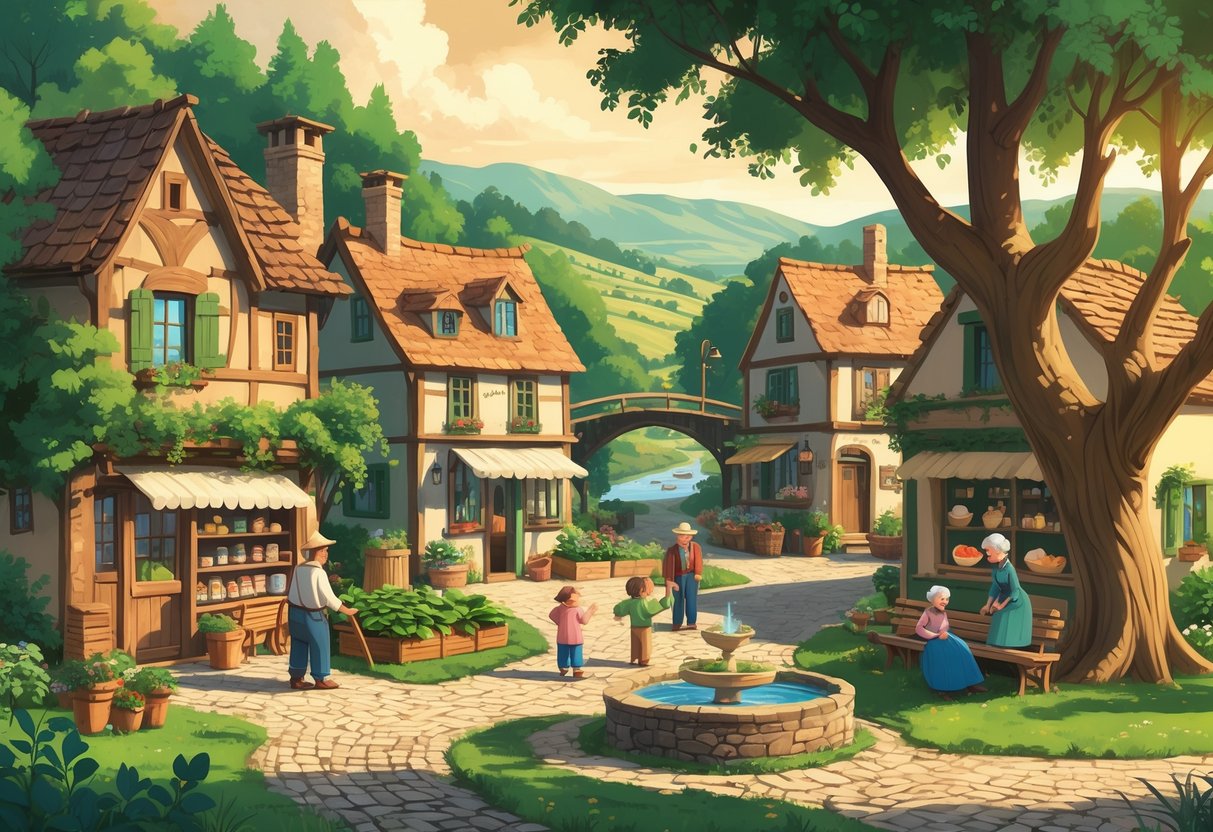
The key to building an immersive small-town setting extends beyond simply populating it with shops and taverns. Game masters must understand how to weave together social dynamics, physical spaces, and ongoing plot threads that make the village feel authentic and worth exploring. This involves creating NPCs with distinct personalities and motivations, establishing locations that serve multiple narrative purposes, and developing hooks that emerge organically from the community itself.
Successful village design requires balancing realism with fantasy elements while ensuring the setting supports both character-driven roleplay and adventure opportunities. The most effective small-town settings provide players with reasons to stay, invest, and return, creating a home base that enhances the entire campaign experience through meaningful connections and evolving storylines.
Grab 50 Story Starter Prompts — fresh ideas for fiction, memoir, and creative nonfiction.
Defining the “Village” Character in Tabletop Roleplay
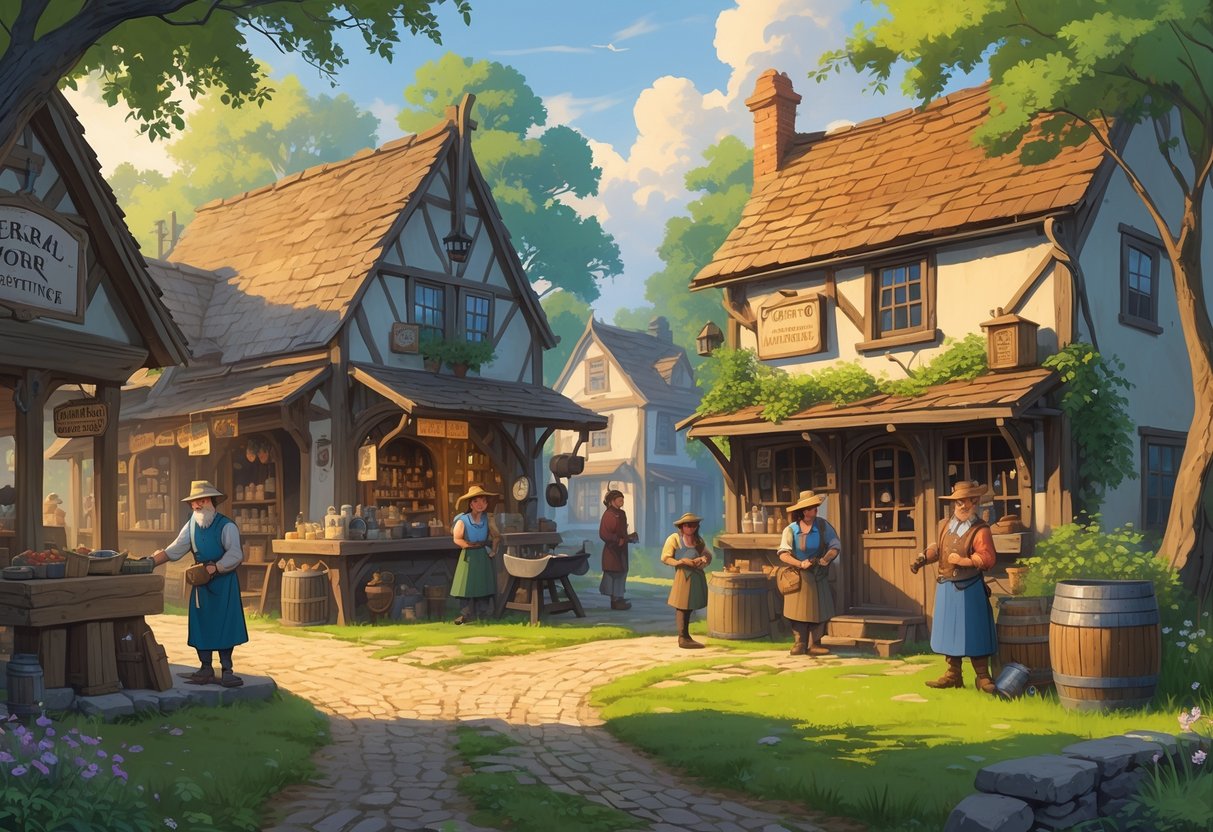
A village functions as more than scenery in tabletop games—it becomes a living entity with distinct personality, motivations, and flaws that drive player engagement. Creating authentic small-town atmosphere requires balancing intimate community dynamics with practical adventure opportunities while maintaining believable social structures.
What Makes a Small Town Immersive
Population density and familiarity form the foundation of authentic village dynamics. Small communities typically house 50-500 residents where everyone knows each other’s business, creating natural tension and gossip networks that players can navigate.
The physical layout should reflect the community’s economic reality. A farming village clusters around fields and water sources, while a trading post sprawls along major routes. Buildings serve multiple purposes—the blacksmith doubles as the village dentist, or the tavern operates from someone’s converted barn.
Social hierarchies in villages differ from cities. Power stems from land ownership, family history, or specialized skills rather than formal titles. The village elder might be a retired adventurer, while the most influential person could be the midwife who delivers everyone’s children.
Authentic details emerge from resource limitations. Villages lack professional guards, multiple shops, or diverse services. Players seeking equipment might negotiate with farmers for tools, or convince the local carpenter to craft arrows.
Importance of Village Character in Storytelling
Villages serve as narrative anchors that give players emotional investment beyond gold and experience points. When characters develop relationships with NPCs, defend familiar locations, or work to improve community conditions, their actions carry personal weight.
The collective personality of a village drives plot development naturally. A suspicious community might resist helping strangers, while a desperate village embraces any potential saviors. This social atmosphere creates authentic role-playing opportunities without forcing artificial conflicts.
Interconnected relationships within small communities generate cascading consequences for player actions. Helping the miller’s daughter affects relationships with her rival suitors, the worried parents, and the village gossips. Every decision ripples through the social network.
Villages provide scale-appropriate challenges for character development. New adventurers can handle bandits threatening farms, while experienced heroes might address supernatural threats that endanger entire regions. The community context makes stakes feel meaningful regardless of power level.
Balancing Charm, Realism, and Adventure Hooks
Authentic charm emerges from specific cultural details rather than generic “quaint” elements. A fishing village celebrates seasonal runs with traditional songs, while mountain communities share tools and labor during harsh winters. These customs create memorable interactions.
Economic realism prevents villages from feeling like convenient shopping centers. Limited resources mean players must prioritize purchases, negotiate creative trades, or seek alternatives. This scarcity drives creative problem-solving and emphasizes community cooperation.
Adventure hooks work best when they stem from village needs rather than external plot demands. Livestock disappearances, crop failures, or missing travelers create natural investigation opportunities. Community problems feel urgent because players understand the human cost of inaction.
The key lies in graduated complexity—simple surface problems often hide deeper mysteries. Wolves attacking sheep might actually be lycanthropes, while harvest failures could indicate cursed soil. This layered approach lets GMs scale encounters based on party interest and capability while maintaining narrative consistency.
Core Elements of an Engaging Village Setting
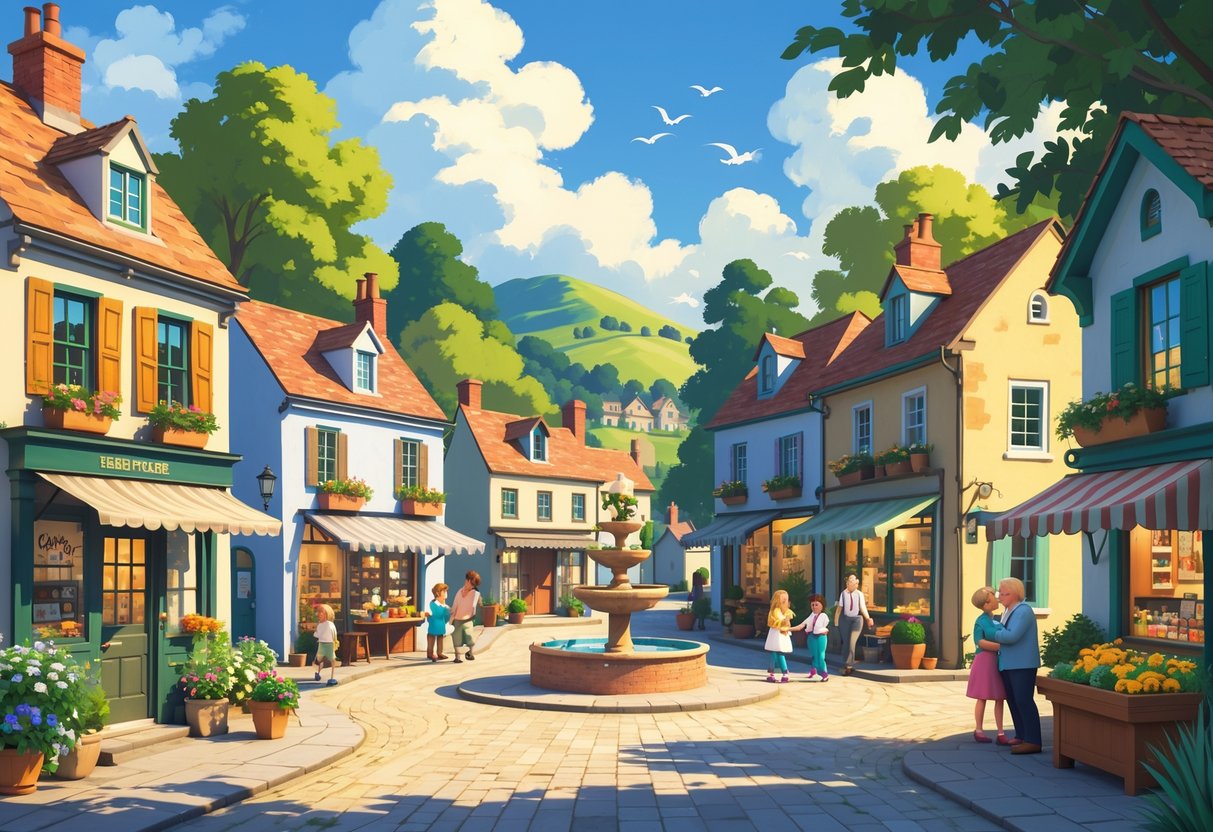
A compelling village setting relies on three fundamental pillars: thoughtful physical design that reflects the community’s history and needs, carefully balanced population dynamics that create realistic social structures, and strategically placed landmarks that serve as focal points for both daily life and storytelling opportunities.
Layout and Physical Features
The physical layout of a village should reflect organic growth patterns rather than rigid urban planning. Streets typically develop around natural features like rivers, hills, or trade routes. A central square or common area serves as the heart of community life.
Essential Layout Elements:
- Perimeter boundaries – Natural barriers like forests, rivers, or constructed walls that define village limits
- Central gathering space – Market square, town green, or crossroads where residents congregate
- Residential clusters – Homes grouped by family ties, profession, or social status
- Resource access points – Wells, mills, or docks that determine settlement patterns
Building materials should match local resources. Coastal villages feature weathered wood and stone, while forest communities utilize timber construction. The architecture tells the story of available materials and environmental challenges.
Roads and pathways develop based on practical needs. The main thoroughfare connects to external trade routes, while smaller lanes lead to individual homes and workshops. Consider how foot traffic, cart movement, and livestock affect path development.
Population Size and Social Dynamics
Village populations typically range from 50 to 500 residents, creating intimate social networks where everyone knows each other’s business. This size allows for complex interpersonal relationships while maintaining the close-knit community feel.
Social hierarchies emerge naturally based on land ownership, specialized skills, or family lineages. The village elder, wealthy merchant, or skilled craftsperson often holds unofficial leadership roles. Religious figures frequently serve as moral authorities and mediators in disputes.
Key Social Structures:
- Family networks – Extended families that span multiple generations and influence village politics
- Professional guilds – Craftspeople and merchants who share common interests
- Informal councils – Groups of respected residents who make community decisions
Gossip travels quickly in small communities. Secrets rarely stay hidden, and reputations can make or break individuals. This interconnectedness creates both support systems and potential conflicts that drive narrative tension.
Key Locations and Landmarks
Strategic placement of important buildings shapes village life and provides natural gathering points for story development. Each location should serve multiple functions within the community ecosystem.
The tavern or inn functions as the information hub where travelers bring news and locals share stories. It serves as meeting hall, courthouse, and entertainment venue rolled into one essential establishment.
Religious buildings like churches or shrines provide spiritual guidance and community meeting spaces. They often house the only literate resident and serve as repositories for village records and history.
Essential Village Landmarks:
- Market area – Trade center for goods and information exchange
- Blacksmith shop – Vital services and often the loudest, most visible workplace
- Mill or granary – Food processing and storage that sustains the community
- Village well – Daily gathering point and water source
These locations should connect logically to daily routines. The blacksmith needs proximity to raw materials and customers. Markets require easy access to trade routes and storage facilities.
Bringing Towns to Life Through NPCs and Social Interactions
The difference between a forgettable village and one that players remember lies in its people and their relationships. Well-crafted NPCs with distinct personalities, interconnected social networks, and layered secrets transform simple settlements into living communities that feel authentic.
Developing Memorable Villagers
Each villager needs a clear purpose beyond their occupation. The blacksmith might have trembling hands from an old curse, making adventurers question his ability to repair their weapons. The baker could be a former soldier who flinches at loud noises but bakes incredible honey cakes.
Physical traits should connect to personality quirks. A shopkeeper who constantly adjusts her spectacles might be nervous about overcharging customers. The village elder’s walking stick could double as a weapon he’s never forgotten how to use.
Create conflicting motivations within characters. The priest genuinely cares for his flock but secretly skims donation money to support his gambling habit. The tavern keeper loves hearing adventurers’ stories but fears they’ll bring danger to her quiet town.
Speech patterns distinguish characters quickly. One villager might speak in questions, another uses farming metaphors for everything, and a third never finishes sentences because someone always interrupts.
Limit detailed NPCs to 5-8 characters per small town. Players remember quality over quantity, and fewer characters allow deeper development during RP encounters.
Creating Genuine Community Connections
Villagers should have established relationships that predate the adventurers’ arrival. The miller’s daughter courts the blacksmith’s apprentice, creating tension between their fathers over a land dispute. These connections provide natural conversation topics and potential plot hooks.
Daily routines create believability. The herb seller opens her stall after morning prayers, the fisherman returns at sunset, and the tavern fills with workers after harvest. Players notice when routines break, signaling something important has happened.
Build economic interdependence between NPCs. The baker needs grain from the miller, who requires horseshoes from the blacksmith, who depends on the miner for iron ore. This web of relationships gives adventurers multiple entry points into the community.
Social hierarchies should influence interactions. A wealthy merchant’s opinion carries more weight than a farmer’s concerns. The village leader might publicly support one faction while privately helping another.
Create shared memories that bind the community together. Everyone remembers the great flood five years ago, the merchant who cheated them, or the winter when wolves came too close to town.
Adding Secrets, Rumors, and Local Lore
Layer multiple secrets at different levels of accessibility. Surface secrets emerge through casual conversation – the baker’s son wants to leave farming. Deeper secrets require trust or investigation – the priest’s gambling debts to dangerous people in the next town.
Conflicting information makes towns feel realistic. Different NPCs offer varying accounts of the same events based on their perspectives and biases. The merchant claims the mayor is honest while the farmer insists he’s corrupt.
Historical mysteries give settlements depth. Why was the old manor abandoned? What happened to the previous blacksmith? Who built the strange stone circle in the woods? These questions create opportunities for extended RP and investigation.
Connect local lore to current problems. The ancient standing stones might explain why crops fail in certain fields. The legend of the witch’s curse could relate to recent livestock deaths.
Information networks determine how news travels. The barber hears everything, the merchant brings outside news, and the children notice details adults miss. Different NPCs provide different types of information, encouraging adventurers to interact with various community members.
Essential Locations: Taverns, Shops, and Gathering Places
A small town’s character emerges through its central meeting places and essential services. The tavern serves as both social hub and information exchange, while markets and craftsmen provide the economic backbone that keeps the community functioning.
The Role of the Tavern in Small-Town Culture
The tavern functions as the beating heart of village social life. Local residents gather here to share news, debate politics, and celebrate festivals. The establishment serves multiple roles beyond simple food and drink service.
Social Functions:
- Information hub – Travelers share road conditions and distant news
- Job board – Notices for work opportunities and bounties
- Meeting space – Town councils and guild gatherings
- Entertainment venue – Musicians, storytellers, and gambling
The tavern keeper often serves as an unofficial town historian and mediator. They know everyone’s business and can direct adventurers to the right person for any need. Many taverns offer lodging upstairs with simple but clean rooms.
Key Features:
- Common room with fireplace
- Kitchen serving local specialties
- Storage cellars for ale and supplies
- Stable facilities for horses
The atmosphere varies by establishment. Some cater to rough laborers with strong ale and bare-knuckle entertainment. Others serve merchants and officials with fine wines and private dining areas.
Markets, Smithies, and Essential Services
Village commerce centers around practical necessities rather than luxury goods. The blacksmith handles tool repair, horseshoeing, and weapon maintenance. A general store stocks basic supplies like rope, lanterns, and preserved foods.
Essential Shops:
- Smithy – Metalwork, repairs, and simple weapons
- General store – Daily necessities and travel supplies
- Miller – Grain processing and flour sales
- Leatherworker – Armor repair and harness making
The market square hosts weekly gatherings where farmers sell produce and traveling merchants offer specialized goods. These events bring the entire community together and provide opportunities for social interaction.
Religious buildings serve both spiritual and practical functions. The local temple or shrine offers healing services, performs ceremonies, and maintains community records. The priest often provides education and mediates disputes.
Craftsmen typically operate from their homes, with workshops attached to living quarters. This arrangement allows family members to assist in the business while maintaining household duties.
Integrating Adventure and Plot Hooks
A well-designed village becomes a living catalyst for adventure when DMs embed meaningful conflicts within its social fabric and daily routines. The key lies in creating organic story threads that emerge naturally from the community’s relationships and ongoing challenges.
Embedding Adventure Opportunities
DMs should anchor adventures in the village’s essential functions and daily operations. A blacksmith’s need for rare ore creates a mining expedition. The baker’s spoiled grain points to contaminated storage or sabotage.
Economic Dependencies drive compelling hooks. When the village’s primary income source faces threats, the entire community mobilizes. A fishing village loses its nets to sea creatures. A farming community discovers blighted crops spreading across multiple fields.
Seasonal events provide natural adventure timing. Harvest festivals, trade fairs, and religious ceremonies create windows for conflict. Missing supplies before winter forces urgent action. Wedding preparations interrupted by family feuds demand diplomatic solutions.
Resource scarcity generates immediate stakes. Poisoned wells threaten survival. Blocked trade routes cut off essential goods. Livestock diseases spread between farms.
The most effective adventure hooks connect directly to villager welfare. When characters understand how their actions impact specific NPCs they know, investment increases dramatically.
Weaving Ongoing Conflicts and Mysteries
Long-term tensions create sustainable adventure frameworks that evolve beyond single sessions. Family rivalries spanning generations provide recurring conflict sources. Land disputes between neighboring farms escalate over seasons.
Mysterious occurrences build atmospheric tension. Strange lights in abandoned buildings. Livestock found in impossible locations. Tools disappearing from workshops overnight. These elements create investigation opportunities while maintaining village authenticity.
Authority conflicts generate political intrigue. Town councils divided on important decisions. Competing claims to leadership positions. Outside government interference in local affairs.
Historical secrets buried in the village’s past surface gradually. Old crimes demand justice. Hidden treasures attract dangerous attention. Ancient agreements create modern obligations.
DMs should layer multiple ongoing situations simultaneously. While characters investigate missing children, political tensions simmer and economic pressures mount. This approach creates a dynamic environment where player choices have cascading effects across multiple storylines.
Tips for Dungeon Masters: Running Immersive Village Sessions
Village campaigns require specific techniques to maintain player interest while building authentic small-town atmospheres. Success depends on creating meaningful interactions between exploration and character development, incorporating realistic daily rhythms, and keeping players invested in community growth.
Balancing Exploration with Roleplay
Village exploration differs significantly from dungeon crawling or wilderness adventures. The DM should focus on social discovery rather than physical navigation. Players explore relationships, local politics, and hidden community secrets instead of mapping corridors.
Create layered social encounters where simple conversations reveal deeper village mysteries. The blacksmith’s casual mention of missing iron shipments becomes a plot hook. The tavern keeper’s nervous glances toward certain patrons hint at underground tensions.
Roleplay opportunities emerge naturally when the DM establishes clear NPC motivations and village hierarchies. Each resident should have personal goals that intersect with player actions. The mayor wants economic growth, while the old farmer resists change.
Pacing becomes crucial in village settings. Alternate between intimate character moments and broader community events. A quiet conversation with the village elder can carry as much weight as defending against monster attacks.
Handling Routine Events and Daily Life
Village campaigns thrive on predictable rhythms that create familiarity and immersion. Establish regular market days, religious ceremonies, and seasonal festivals that become touchstones for the community experience.
Random events should feel organic to village life. Weather affects crops and travel. Merchant caravans bring news and goods. Disputes over property lines or livestock create immediate conflicts requiring player intervention.
The DM must track resource management and village development naturally. When players invest in improvements, show tangible results. New buildings attract different visitors. Better defenses reduce monster attacks.
Daily life details matter more in village settings than in typical adventures. Players notice when the baker runs out of flour or when the village well needs repair. These seemingly minor issues become meaningful when the community depends on them.
Player Engagement and Retention Strategies
Investment in community growth keeps players engaged long-term. Give them meaningful choices about village development that produce visible consequences. Building a shrine attracts pilgrims. Establishing a guard post deters bandits.
Create personal stakes for each player character within the village structure. One player might become the informal town defender while another manages trade relationships. These roles should complement character abilities and backgrounds.
Interconnected storylines prevent village campaigns from feeling static. The merchant’s daughter who disappeared connects to the strange lights in the forest, which relate to the ancient ruins beneath the village church.
Regular consequences from player decisions maintain momentum. Their choices during one session create new situations in the next. Helping the struggling farmer leads to increased grain production, which attracts trader attention and new opportunities.