Every great detective needs their Watson. The Watson Effect describes the phenomenon where a well-crafted sidekick or companion enhances the protagonist’s abilities while providing loyalty, intelligence, and unique perspectives that drive the story forward. This literary device, named after Sherlock Holmes’ faithful companion Dr. Watson, has become the blueprint for creating memorable partnerships in fiction and real life.

The concept extends far beyond detective stories, appearing in superhero narratives, adventure tales, and even in our relationships with pets. Research suggests that companion animals provide emotional support and enhance quality of life, mirroring the supportive role that fictional sidekicks play for their heroes. Whether examining Batman and Robin’s crime-fighting partnership or the bond between a person and their dog, certain traits consistently emerge: unwavering loyalty, complementary skills, and the ability to bring out the best in their partner.
Understanding the Watson Effect reveals why some character relationships feel authentic and compelling while others fall flat. The most effective companions never overshadow their protagonists but instead illuminate their strengths and help them overcome weaknesses. This dynamic creates opportunities for character growth, plot advancement, and emotional depth that resonates with audiences across different mediums and genres.
Grab 50 Story Starter Prompts — fresh ideas for fiction, memoir, and creative nonfiction.
The Watson Effect Explained

The Watson Effect stems from Arthur Conan Doyle’s creation of Dr. John Watson as the ideal companion to Sherlock Holmes, establishing a blueprint that transformed how sidekick characters function in storytelling. This phenomenon demonstrates how effective companions enhance protagonists through complementary skills, emotional grounding, and narrative accessibility.
Origins of the Watson Archetype
Dr. John Watson emerged in 1887 as more than a simple sidekick to Sherlock Holmes. Doyle crafted Watson as a military veteran and physician who brought practical skills and emotional stability to balance Holmes’s analytical brilliance.
Watson’s original design included several revolutionary elements:
- Narrator function: Watson tells the stories from his perspective, making Holmes’s deductions accessible to readers
- Moral compass: He provides ethical grounding for the detective’s sometimes questionable methods
- Professional competence: His medical background and military experience make him genuinely useful
This archetype differed from previous literary companions by establishing Watson as competent rather than bumbling. He possesses his own expertise and contributes meaningfully to investigations. The character’s loyalty stems from genuine friendship and mutual respect, not blind devotion.
Watson’s military background adds credibility to his courage and reliability. His medical training allows him to assist with injuries and provide scientific knowledge that complements Holmes’s deductive methods.
The Evolution of Sidekick Characters
Modern adaptations have transformed the Watson archetype from passive observer to active participant. Contemporary interpretations emphasize Watson’s capabilities while maintaining the core dynamic that makes the partnership effective.
Traditional Watson traits:
- Chronicler of events
- Admiring observer
- Occasional comic relief
Modern Watson characteristics:
- Equal partner in investigations
- Emotionally complex individual
- Physically capable combatant
Jude Law’s portrayal in Guy Ritchie’s films exemplifies this evolution. Law’s Watson demonstrates physical prowess, strategic thinking, and emotional depth that elevates him beyond traditional sidekick limitations. He actively challenges Holmes and contributes essential skills to their partnership.
Television adaptations have further developed this trend. Modern versions often give Watson independent storylines, professional achievements, and personal conflicts that create multidimensional characters rather than simple supporting roles.
Key Traits of Effective Companions
The Watson Effect identifies specific characteristics that create successful sidekick relationships. These traits apply whether developing fictional characters or understanding real-world companionship dynamics.
Essential companion qualities:
| Trait | Function | Example |
|---|---|---|
| Complementary skills | Fills gaps in protagonist’s abilities | Watson’s medical expertise supports Holmes’s deductions |
| Emotional intelligence | Provides interpersonal grounding | Watson humanizes Holmes’s cold logic |
| Loyalty with boundaries | Offers unwavering support while maintaining independence | Watson challenges Holmes when necessary |
| Narrative accessibility | Makes complex protagonists relatable | Watson’s perspective helps readers understand Holmes |
Effective companions possess their own agency and motivations. They choose to support the main character rather than existing solely for that purpose. Watson maintains his medical practice, personal relationships, and individual goals alongside his partnership with Holmes.
The best sidekick characters demonstrate competence in their own right. Watson’s military training and medical knowledge make him valuable beyond simple companionship. This competence creates mutual respect rather than one-sided dependence.
Authentic emotional connection drives the most compelling partnerships. Watson’s genuine friendship with Holmes creates stakes that extend beyond professional collaboration, making their adventures personally meaningful to both characters.
Role and Purpose of Sidekicks in Storytelling
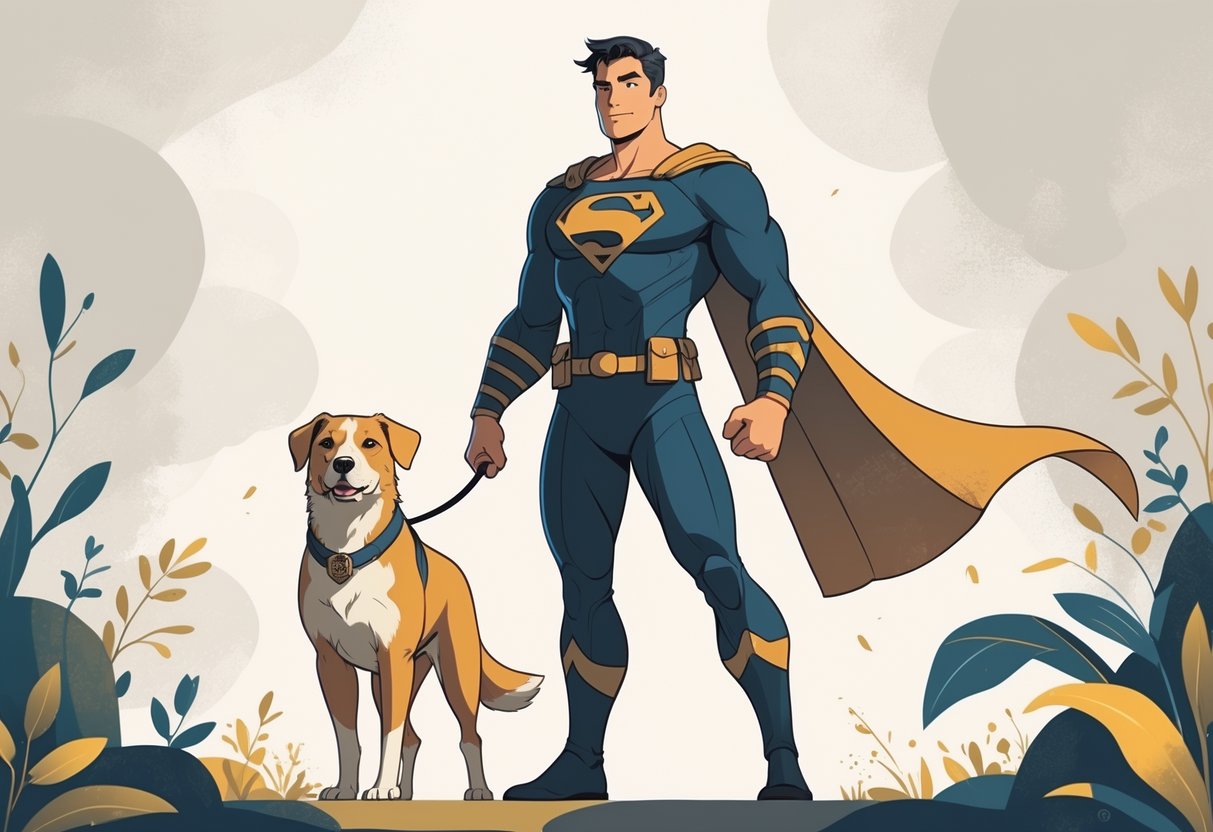
Sidekicks serve multiple critical functions that extend far beyond simple companionship, acting as narrative bridges between the protagonist and the audience while driving plot momentum through their unique relationships with main characters. These supporting characters fulfill essential storytelling needs through audience connection, character enhancement, plot advancement, and emotional balance.
Narrative Function and Audience Connection
The sidekick character operates as a crucial intermediary between the story and its audience. They often mirror the reader’s perspective, asking questions that the audience wants answered and reacting to extraordinary events in relatable ways.
Dr. Watson exemplifies this function perfectly. His practical, grounded responses to Sherlock Holmes’s deductive leaps allow readers to process complex mysteries alongside a familiar viewpoint. Watson’s chronicling of their adventures creates a narrative framework that makes Holmes’s extraordinary abilities accessible.
Sidekicks frequently possess traits that contrast sharply with their protagonists. This contrast illuminates character qualities that might otherwise remain hidden. Robin’s youthful optimism against Batman’s brooding nature creates dynamic tension that enriches both characters.
The audience often connects more easily with sidekicks than with larger-than-life protagonists. Supporting characters typically display more human vulnerabilities and relatable concerns, creating emotional anchors within fantastic or extraordinary narratives.
Enhancing the Main Character
Sidekicks reveal hidden depths in protagonists through their interactions and observations. They serve as mirrors that reflect both strengths and weaknesses, forcing main characters to confront aspects of themselves they might otherwise ignore.
The relationship dynamics between protagonist and sidekick create opportunities for character growth. Hermione Granger challenges Harry Potter’s assumptions and pushes him toward intellectual solutions, while also highlighting his intuitive bravery. Their friendship reveals Harry’s capacity for loyalty and Hermione’s emotional intelligence beneath her scholarly exterior.
Sidekicks often possess complementary skills that highlight the protagonist’s limitations. This balance creates more realistic, three-dimensional main characters who cannot solve every problem independently. The interplay between different skill sets adds authenticity to character relationships.
Key character enhancement methods:
- Providing contrasting personality traits
- Challenging the protagonist’s worldview
- Offering alternative problem-solving approaches
- Revealing emotional vulnerabilities through trusted relationships
Plot Advancement Through Support
Supporting characters drive narratives forward through their actions, knowledge, and unique perspectives. They often possess information or abilities that prove crucial at pivotal story moments, making their presence essential rather than decorative.
Samwise Gamgee demonstrates how sidekicks advance plot through unwavering support. His determination carries Frodo through moments when the main character cannot continue alone. Sam’s actions directly impact the story’s outcome, making him indispensable to the narrative’s success.
Sidekicks create plot complications and solutions through their independent agency. They make mistakes that generate conflict, discover clues that break deadlocks, or form relationships that open new story pathways. Their autonomous actions prevent narratives from becoming too predictable.
The sidekick’s loyalty often becomes a plot device itself. Their willingness to sacrifice for the protagonist creates dramatic tension and raises emotional stakes throughout the story.
Emotional Support and Comic Relief
Sidekicks provide essential emotional balance within narratives, offering both comic relief during tense moments and genuine emotional support during character crises. This dual function prevents stories from becoming overwhelmingly dark or frivolous.
Comic relief through sidekicks serves multiple purposes beyond simple humor. It releases audience tension, provides breathing space between intense scenes, and often delivers important information through seemingly casual dialogue. The humor emerges naturally from character interactions rather than forced comedic situations.
Emotional support functions create believable human connections within fictional worlds. Sidekicks offer protagonists safe spaces to express vulnerability, process difficult decisions, and maintain psychological stability under pressure.
Primary emotional functions:
- Tension relief through appropriate humor
- Emotional processing support for protagonists
- Audience engagement through relatable reactions
- Narrative pacing through emotional variety
The most effective sidekick characters balance multiple emotional roles without becoming one-dimensional. They provide levity when needed while maintaining the capacity for serious emotional support during crucial story moments.
Creating a Memorable Sidekick or Pet Companion
Effective sidekicks require distinct personalities that complement their protagonist while maintaining their own identity. These characters work best when they balance meaningful strengths with relatable flaws, often serving as foil characters that highlight the main character’s traits through contrast.
Developing Distinct Personalities
A memorable sidekick possesses clear personality traits that distinguish them from the protagonist. Writers should establish specific behavioral patterns, speech patterns, and motivations that make the character recognizable.
Key personality elements include:
- Unique dialogue style and vocabulary
- Specific fears, desires, and goals
- Consistent behavioral quirks or habits
- Clear moral compass or value system
The loyal companion must feel authentic rather than existing solely to serve the plot. Dr. Watson demonstrates intelligence and medical expertise alongside his loyalty to Holmes. Similarly, Samwise Gamgee shows courage, determination, and wisdom that extend beyond his devotion to Frodo.
Sidekicks often embody traits that the protagonist lacks or struggles with. A cautious hero might pair with an impulsive companion, while a serious character benefits from a humorous partner. This dynamic creates natural opportunities for character development and conflict resolution.
Balancing Strengths and Weaknesses
Strong sidekicks possess both notable abilities and meaningful limitations. This balance prevents them from overshadowing the protagonist while maintaining reader interest and respect.
Effective strengths for sidekicks include specialized knowledge, unique skills, emotional intelligence, or physical capabilities that complement the main character. These abilities should contribute meaningfully to problem-solving without making the protagonist redundant.
Equally important are authentic weaknesses. These flaws create vulnerability and relatability while providing opportunities for character growth. Common effective weaknesses include:
| Weakness Type | Example | Story Function |
|---|---|---|
| Emotional | Fear of heights | Creates tension, forces growth |
| Physical | Limited stamina | Adds realistic constraints |
| Social | Awkward communication | Provides humor, conflict |
| Intellectual | Poor judgment | Creates obstacles, learning moments |
The character arc for sidekicks often involves overcoming these limitations through their relationship with the protagonist.
Foil Characters and Contrast
A foil character serves as a contrasting element that highlights the protagonist’s key traits through opposition or difference. This contrast creates dramatic tension and reveals character depth.
Effective foil relationships operate on multiple levels. Surface-level contrasts might include personality differences like optimism versus pessimism or caution versus recklessness. Deeper contrasts involve fundamental beliefs, approaches to problem-solving, or life philosophies.
The contrast should enhance both characters rather than diminishing either. When the methodical Sherlock Holmes pairs with the more emotional Watson, both characters become more compelling through their differences.
Common foil dynamics include:
- Logical versus emotional approaches
- Experienced versus naive perspectives
- Risk-taking versus cautious tendencies
- Introverted versus extroverted personalities
These contrasts create natural dialogue opportunities and force characters to examine their own assumptions and methods.
Relationship Dynamics: Hero and Companion
The foundation of effective hero-companion partnerships rests on authentic chemistry that emerges through natural dialogue exchanges and unwavering mutual trust built through shared experiences and consistent reliability.
Building Chemistry and Banter
Natural dialogue between a protagonist and their loyal companion creates the foundation for believable relationships. The conversation patterns should feel organic rather than forced, with each character maintaining their distinct voice and perspective.
Effective banter characteristics:
- Complementary personalities that highlight different strengths
- Mutual respect despite occasional disagreements
- Shared humor or understanding that develops over time
The sidekick often serves as the audience’s entry point into the story. Their questions and observations help explain complex plot elements without seeming contrived. Watson’s inquiries to Holmes demonstrate this technique perfectly.
Chemistry develops through small moments of interaction. A companion might challenge the hero’s assumptions or offer alternative viewpoints. These exchanges reveal character depth and prevent the relationship from becoming one-dimensional.
The best partnerships balance admiration with independence. While the companion supports the protagonist, they maintain their own opinions and occasionally push back against decisions.
Establishing Loyalty and Trust
Trust between hero and companion builds through consistent actions rather than declarations. The sidekick proves their reliability by staying present during difficult situations and offering emotional support when the protagonist faces obstacles.
Key trust-building elements:
- Dependability in critical moments
- Confidentiality with sensitive information
- Sacrifice without expectation of reward
Loyalty manifests differently across relationships. Some companions worship their heroes, while others maintain more equal partnerships with occasional tension. Both approaches work when executed consistently.
The companion’s dedication often faces testing through external pressures or moral dilemmas. These challenges strengthen the bond between characters when handled authentically. The sidekick’s choice to remain loyal despite personal cost demonstrates the relationship’s true value.
Physical presence matters as much as emotional availability. Companions who literally stand beside their heroes during confrontations reinforce their commitment through action.
The Watson Effect Beyond Human Characters: Pets and Animal Companions
Pet companions in storytelling often embody the core Watson Effect principles through unwavering loyalty and emotional intelligence. These animal characters serve as emotional anchors while enhancing the human-animal relationship dynamic that resonates deeply with audiences.
Emotional Roles of Pet Companions
Pet companions function as emotional stabilizers in narratives, providing consistent support that mirrors real-world human-animal bonds. Research indicates that companion animals buffer against negative feelings while generating positive emotions through interaction. This psychological foundation makes fictional pet sidekicks particularly effective storytelling devices.
The loyal companion archetype manifests differently in animal characters compared to human sidekicks. Dogs like Lassie or fictional wolves demonstrate protective instincts and emotional intelligence. Cats often serve as independent yet devoted allies. Birds can represent freedom while maintaining deep bonds with protagonists.
Animal sidekicks excel at providing emotional support without the complexity of human relationships. They offer unconditional acceptance and loyalty that human characters cannot always provide. This simplicity allows writers to focus on pure emotional connection rather than navigating complex interpersonal dynamics.
The pet companion’s inability to verbally communicate often strengthens their emotional impact. Their expressions, body language, and actions must convey deep meaning, creating more visceral connections with audiences.
Enhancing Human-Animal Bonds in Fiction
Fiction amplifies the natural human-animal bond by presenting idealized versions of pet relationships. Writers can explore the therapeutic aspects of companion animals while avoiding real-world complications like behavioral issues or health problems.
Successful fictional pet companions demonstrate several key characteristics:
- Intuitive understanding of human emotions
- Protective instincts that activate during crucial moments
- Ability to provide comfort during character’s lowest points
- Unwavering loyalty despite external pressures
The enhancement occurs through narrative devices that showcase the pet’s unique perspective. Animal viewpoints can reveal truths about human characters that traditional sidekicks might miss. This creates deeper emotional resonance and strengthens the bond between character and companion.
Writers often emphasize the reciprocal nature of these relationships. The human character provides care and protection while the animal offers emotional grounding and instinctive wisdom. This mutual dependence creates compelling story dynamics that reflect authentic pet ownership experiences.